Atrial Fibrillation: Symptoms, Triggers, and Care
By Editorial Team · November 2, 2026
What Atrial Fibrillation Is
Atrial fibrillation, often called AFib or AF, is an irregular heart rhythm that begins in the heart’s upper chambers. Instead of contracting in a coordinated way, these chambers quiver or beat unevenly. The rhythm may be constant or come and go, and some people have no noticeable symptoms.
AFib is important to recognize because blood can pool in the heart, raising the chance of a clot and stroke. It can also make the heart work less effectively. The condition becomes more common with age, but it can affect adults of any age. High blood pressure, heart disease, sleep apnea, thyroid problems, and other health conditions can increase risk.
Common Symptoms and Warning Signs
A fluttering, racing, pounding, or irregular heartbeat is a frequent symptom. Some people notice skipped beats or a sudden change in their pulse. Others experience fatigue, weakness, shortness of breath, dizziness, or reduced ability to exercise. Chest discomfort can occur, though it should never be assumed to be caused by AFib without medical assessment.
Symptoms vary. An episode may last minutes, hours, or longer, and the heart rhythm can return to normal before a person gets medical attention. A normal-feeling pulse at one moment does not rule out AFib. A clinician may recommend a wearable heart monitor if episodes are intermittent.
Seek emergency care for chest pain or pressure, severe trouble breathing, fainting, or signs of stroke. Stroke signs can include sudden weakness or numbness on one side, difficulty speaking, confusion, vision changes, or loss of balance. Call emergency services rather than driving yourself. Prompt treatment matters, even if symptoms improve.
Triggers and Factors That Can Contribute
AFib does not always have a clear trigger. However, some people notice episodes after drinking alcohol, using nicotine or recreational stimulants, or consuming a large amount of caffeine. Poor sleep, dehydration, intense exertion, emotional stress, and acute illness may also play a role. Triggers differ from person to person, and avoiding one suspected trigger will not necessarily prevent all episodes.
Underlying conditions are often more significant than a single event. High blood pressure, coronary artery disease, heart valve problems, heart failure, diabetes, obesity, and sleep apnea are associated with AFib. An overactive thyroid and some lung conditions can also contribute. Certain medicines or supplements may affect heart rhythm, so discuss them with a health professional rather than stopping prescribed treatment on your own.
Keeping a brief record of symptoms, activity, sleep, alcohol, caffeine, and medicines can help identify patterns. A diary is useful information for a clinician, but it cannot confirm a diagnosis by itself.
Diagnosis and Treatment
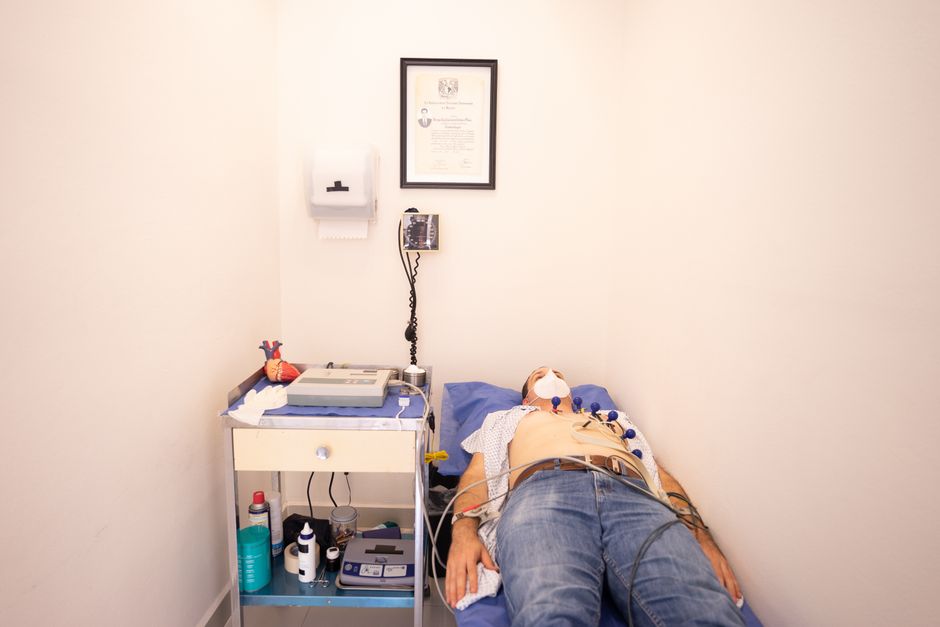
A clinician usually checks the heart rhythm with an electrocardiogram (ECG or EKG). If the rhythm is not captured during the visit, a portable monitor may record it over several days or longer. Blood tests and imaging can help look for contributing conditions and assess heart function.
Care is tailored to the person’s symptoms, stroke risk, other health conditions, and preferences. Treatment may include medicines to control heart rate or help maintain a normal rhythm. Some people are offered cardioversion, a procedure that uses a controlled electrical shock to restore rhythm, or catheter ablation, which targets areas of heart tissue involved in abnormal signals.
Stroke prevention is a central part of AFib care. Depending on individual risk, a clinician may prescribe an anticoagulant, often called a blood thinner. These medicines reduce clot risk but can increase bleeding, so the benefits and risks need regular review. Do not start, stop, or change an anticoagulant without medical advice.
Living With AFib and Getting Support
Managing conditions such as high blood pressure, diabetes, and sleep apnea can support overall heart health. Regular activity, a balanced eating pattern, adequate sleep, and limiting alcohol may also help. Ask a clinician what level of exercise is appropriate, especially if symptoms occur during activity. Follow-up appointments are important because symptoms and treatment needs can change over time.
Contact a health professional if you notice a new irregular heartbeat, recurring palpitations, or unexplained fatigue or breathlessness. Share when symptoms began, how long they last, and any medicines or supplements you use. With an accurate diagnosis and a care plan suited to the individual, many people manage AFib while continuing their usual activities. Treatment decisions should be made with a qualified clinician, not based on symptoms or a home device alone.
Related articles

Sleep Apnea Testing Costs and Options Explained
Compare home sleep apnea tests and lab studies, learn what affects their cost, and find out how insurance, referrals, and follow-up care may factor in

Cosmetic Treatments for Hair, Fat, and Facial Concerns
Compare common cosmetic options for hair loss, unwanted fat, and facial concerns, including how treatments work, their limits, and what to ask a provider