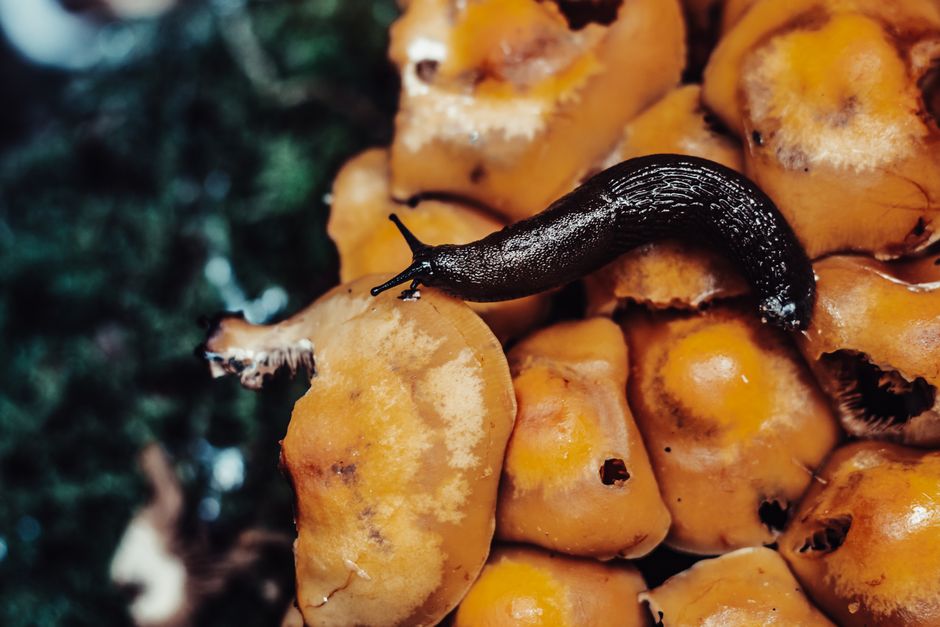
Understanding Slugs: Nature's Unique Creatures
By Editorial Team · August 11, 2026
Introduction to Slugs
Slugs are soft-bodied, gastropod mollusks that are often confused with snails due to their similar appearance. However, slugs lack the prominent shell typically found in snails, which gives them a distinct advantage in certain habitats. These creatures can be found in a variety of environments, including gardens, forests, and even coastal areas. Their fascinating biology and ecological roles make them intriguing subjects for study.
Biology and Anatomy of Slugs
Slugs belong to the class Gastropoda, which also includes snails and sea slugs. They possess a muscular foot that allows them to move smoothly over surfaces. This foot secretes mucus, which helps in locomotion by reducing friction. Slugs typically have two pairs of tentacles on their heads; the upper pair is used for sensing light and the lower pair for smell. Their bodies are segmented, allowing for flexibility and movement through tight spaces.
The diet of slugs mainly consists of decaying plant matter, fungi, and sometimes live plants. This diet plays an important role in nutrient cycling within ecosystems. Slugs are also known for their ability to reproduce quickly, with some species laying hundreds of eggs at a time. The lifespan of a slug varies by species but can range from a few months to several years, depending on environmental conditions and predation.
Habitat and Distribution
Slugs thrive in moist environments, which are essential for their survival. They are most active during the night or after rainfall when humidity levels are high. This nocturnal behavior helps prevent desiccation, as slugs are sensitive to dry conditions. Various species of slugs can be found across the globe, from the temperate climates of Europe to the tropical regions of South America. Some well-known species include the garden slug (Agriolimax reticulatus) and the leopard slug (Limax maximus).
In urban settings, slugs are often considered pests due to their appetite for garden plants. However, they also play a crucial role in the ecosystem by breaking down organic matter and contributing to soil health. Understanding their habitat preferences and behaviors can help gardeners manage their populations more effectively without resorting to harmful chemicals.
Myths and Misconceptions
Despite their ecological importance, slugs are often misunderstood and viewed negatively. One common myth is that all slugs are harmful to gardens. While it is true that some species can damage plants, not all slugs pose a significant threat. In fact, many slugs help control pest populations by feeding on decaying matter and contributing to soil fertility.
Another misconception is that slugs are slimy and gross, leading many people to avoid them. While they do produce mucus, which can be perceived as unappealing, this secretion is vital for their locomotion and hydration. Additionally, slugs can actually provide benefits to gardeners by aerating the soil as they move through it, promoting healthy plant growth.
Conservation and Ecological Importance
Conservation efforts for slugs may not be as prominent as those for other species, but their role in ecosystems should not be overlooked. Slugs are a food source for various predators, including birds, mammals, and insects. Their presence indicates a healthy environment and contributes to the balance of the ecosystem.
As urbanization and climate change continue to impact natural habitats, understanding the ecological significance of slugs becomes increasingly important. Conservationists emphasize the need for sustainable practices that protect these creatures and their habitats. By promoting biodiversity in gardens and natural areas, individuals can support slug populations and the overall health of the ecosystem.
Conclusion
Slugs, often dismissed as mere pests, are fascinating creatures with important ecological roles. Their unique biology, habitats, and contributions to nutrient cycling highlight the complexity of ecosystems. By dispelling common myths and appreciating their significance, we can foster a better understanding of these unique mollusks. Whether in gardens or wild environments, slugs are a vital part of our natural world that deserves recognition and respect.
Related articles
Understanding Slugs: Nature's Unique Gastropods
Explore the fascinating world of slugs, their habitat, behavior, and role in the ecosystem. Learn about their biology and significance in nature.
How Rainbows Form: The Science Behind Their Beauty
Explore the fascinating science of how rainbows form through light refraction and reflection in water droplets and discover their captivating colors.

Understanding Why the Sky Appears Blue
Discover the scientific reasons behind the blue appearance of the sky and the role of light scattering in this natural phenomenon