Understanding Dental Clips Trials in Orthodontic Research
By Editorial Team · September 10, 2026
Introduction to Orthodontic Research
Orthodontic research plays a crucial role in advancing dental care. It focuses on understanding various aspects of tooth movement and alignment, improving treatment methodologies, and enhancing patient outcomes. One area of significant interest is the use of dental clips in orthodontic treatments. These clips can help in the effective application of forces to teeth, leading to better alignment over time. Research studies involving dental clips are essential for developing new technologies and techniques in orthodontics.
What Are Dental Clips?
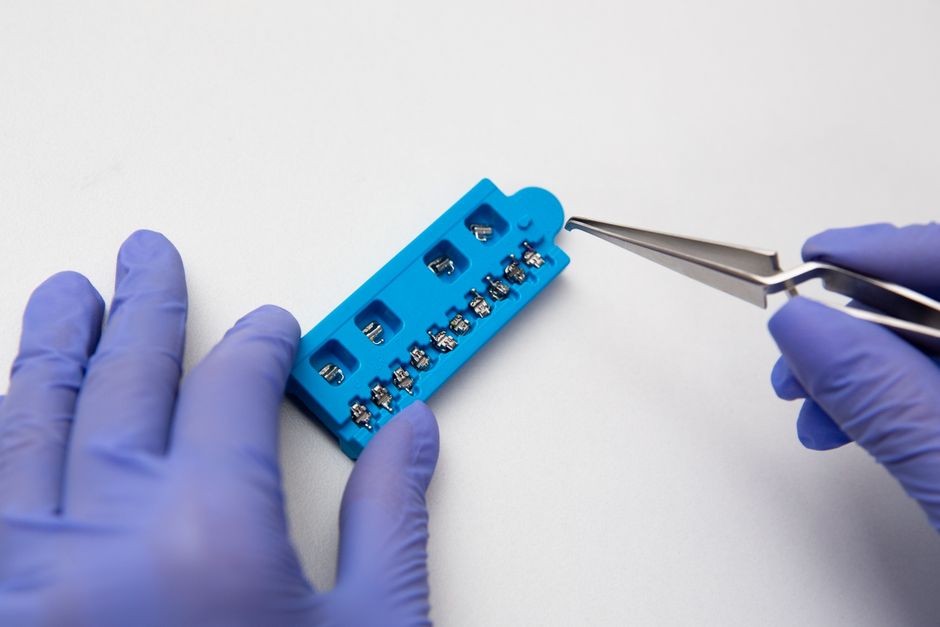
Dental clips are small attachments used in various orthodontic appliances. They serve multiple functions, including securing archwires to brackets and enabling controlled movement of teeth. The design of these clips can influence the effectiveness of treatment and patient comfort. Researchers assess different types of clips to determine which designs offer the best outcomes in terms of efficiency and patient satisfaction. Understanding the mechanical properties of dental clips is fundamental to orthodontic innovation.
The Trial Process
Dental clips trials typically involve several stages, including preclinical testing and clinical studies. Researchers begin with laboratory experiments to assess the mechanical properties and durability of different clip designs. This phase helps identify promising candidates for further testing. Once a clip design shows potential, it moves to clinical trials, where it is tested on patients under controlled conditions. These trials are conducted with strict ethical guidelines to ensure patient safety and informed consent.
During clinical trials, researchers gather data on various factors such as treatment duration, patient comfort, and overall effectiveness of the clips. This information is crucial for determining the suitability of a new clip design for widespread use. Analysis of trial results can lead to improvements in existing products or the development of entirely new orthodontic solutions.
Regulatory Oversight and Approval
In the United States, orthodontic devices, including dental clips, are subject to regulatory oversight by the Food and Drug Administration (FDA). The FDA has specific guidelines for the approval process of medical devices, ensuring that they meet safety and efficacy standards. After completing clinical trials, researchers must submit their findings to the FDA for review. This process can be lengthy and requires comprehensive documentation of trial results and manufacturing practices.
The FDA evaluates the data to determine whether the device can be marketed and used in clinical practice. Approval indicates that the device is safe for use and effective in achieving its intended purpose. Once approved, dental clips can be adopted by orthodontists across the country, significantly impacting patient care.
Impact on Orthodontic Practices
The results of dental clips trials can have a profound impact on orthodontic practices. Improved clip designs can lead to more efficient treatment options, reducing the time patients spend in braces and enhancing their overall experience. Furthermore, advancements in orthodontic technology may open doors to new treatment possibilities, allowing for more personalized care tailored to individual needs.
Additionally, research findings can influence training programs for orthodontists. As new technologies emerge, orthodontic professionals must stay updated on the latest methods and materials. Continuing education programs often incorporate findings from recent studies, ensuring that practitioners are equipped with the knowledge necessary to provide the best care to their patients.
Conclusion
Dental clips trials are an essential component of orthodontic research in the United States. They contribute to the development of innovative solutions that enhance treatment efficacy and patient comfort. Through rigorous testing and regulatory processes, researchers ensure that new orthodontic devices meet high safety and effectiveness standards. As orthodontic science continues to evolve, the insights gained from these trials will play a vital role in shaping the future of dental care.
Related articles

Dental Implants: Benefits, Costs, and Candidacy in Australia
Explore the benefits, costs, and candidacy for dental implants in Australia to help you make informed decisions about your dental health.

How To Apply For A Medicare Food Allowance In The US
Learn how to apply for a Medicare food allowance in the US, including eligibility requirements and application steps.

Understanding Medicare Programs for Seniors in the US
Explore the various Medicare programs available for seniors in the US, their benefits, and how to enroll.