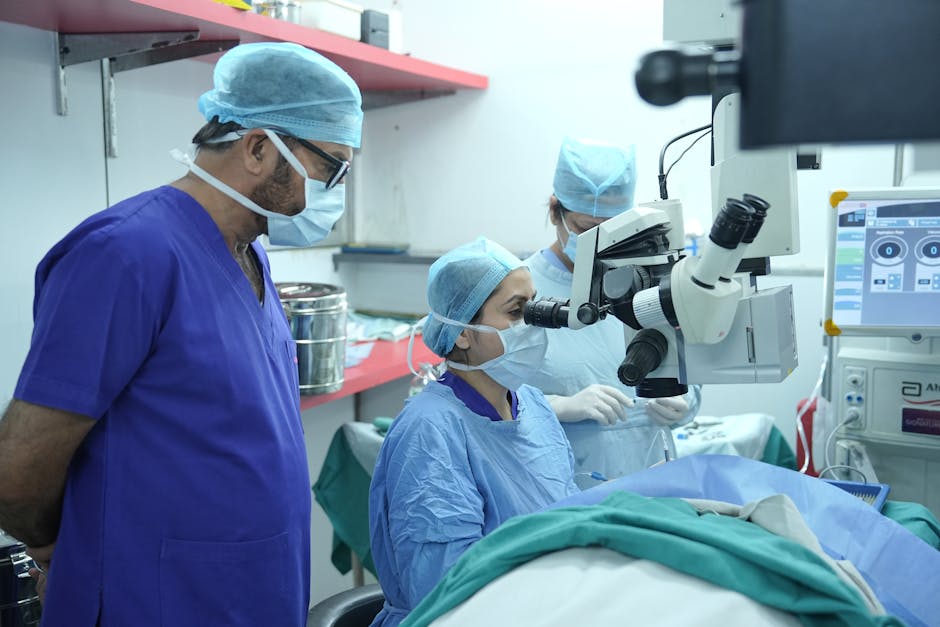
Eye Surgery Options, Risks, and Recovery
By Editorial Team · October 27, 2026
Why Eye Surgery May Be Considered
Eye surgery covers procedures that treat vision problems, eye diseases, or injuries. Some operations aim to reduce dependence on glasses or contact lenses. Others protect sight or improve comfort when a condition such as cataracts, glaucoma, or a detached retina affects the eye. The right option depends on the diagnosis, overall health, eye measurements, and personal preferences.
An eye care professional can explain whether surgery is appropriate and what results are realistic. A procedure that works well for one person may not suit another. Age, corneal thickness, pupil size, dry eye, medications, and other health conditions can influence both eligibility and outcomes. In some cases, glasses, medication, or monitoring remain reasonable alternatives.
Common Types of Eye Surgery
Cataract surgery removes a cloudy natural lens and replaces it with an artificial lens. It is commonly performed when cataracts interfere with daily activities such as reading or driving. Lens choices vary: some correct distance vision, while others may address astigmatism or provide a broader range of focus. The best choice depends on eye health and visual needs.
Laser vision correction includes LASIK, PRK, and SMILE. These procedures reshape the cornea to correct nearsightedness, farsightedness, or astigmatism. LASIK creates a thin corneal flap before reshaping tissue. PRK removes the surface layer, which grows back during healing. SMILE removes a small piece of corneal tissue through a small incision. Not everyone is eligible, and these procedures do not prevent age-related changes such as presbyopia.
Glaucoma surgery aims to lower pressure inside the eye and reduce the risk of further optic nerve damage. Options range from laser treatment and small drainage devices to operations that create a new pathway for fluid. Surgery can help control pressure, but it generally cannot restore vision already lost to glaucoma.
Retinal surgery may be needed for a retinal tear or detachment, bleeding, or other conditions affecting the back of the eye. Treatment can involve laser, injections, or an operation using gas, oil, or instruments inside the eye. These procedures are often time-sensitive because a detached retina can threaten sight.
Risks and Possible Complications
Every operation has potential risks. Common temporary effects include soreness, light sensitivity, blurred vision, irritation, or dry eye. More serious complications are less common but may include infection, bleeding, inflammation, increased eye pressure, or changes in vision. The specific risks differ by procedure and by a person’s medical history.
After laser vision correction, some people experience glare, halos, difficulty seeing at night, or persistent dryness. A small number need an additional procedure or still use glasses for certain tasks. Cataract surgery can rarely cause infection, retinal problems, or a lens that needs adjustment. Glaucoma and retinal operations may require further treatment and close follow-up.
Ask the surgeon to explain the risks that apply to your eyes, how often complications occur, and what would happen if a problem develops. It is also useful to discuss the chance of needing glasses, additional surgery, or ongoing medication. A second opinion may help when the diagnosis is uncertain or the proposed operation is complex.
Preparing and Recovering
Before surgery, the clinic may measure the eye, review medications, and give instructions about eating, eye drops, or contact lens use. Arrange transportation if sedation or vision changes make driving unsafe. Follow the clinic’s instructions rather than stopping prescribed medication on your own.
Recovery varies. Many people resume light activities within a day or two after cataract surgery or LASIK, while PRK usually involves a longer period of discomfort and gradual visual recovery. Retinal and glaucoma procedures may require weeks of healing and restrictions on lifting, exercise, or travel. Some operations require a protective shield or a particular head position.
Use prescribed drops as directed, avoid rubbing the eye, and attend every follow-up visit. Do not drive until vision is adequate and the clinician says it is safe. Contact the surgical team promptly for worsening pain, sudden vision loss, increasing redness, flashes, a sudden increase in floaters, or discharge. These symptoms may need urgent assessment.
Choosing a Surgeon and Procedure
Confirm that the surgeon is appropriately trained and experienced with the recommended procedure. Ask what alternatives are available, what recovery will involve, and how the result will be assessed. Share your priorities, such as reading, work, sports, or night driving, and mention previous eye problems or surgery.
A careful decision balances expected benefit, possible complications, cost, and recovery time. Written instructions and a clear follow-up plan can make the process easier to manage. If anything is unclear, ask the eye care team before consenting to surgery.
Related articles

Assisted Living Costs and Care Options Explained
Learn what assisted living typically costs, what services are included, how care levels affect fees, and ways to compare communities and plan for expenses

Full-Mouth Dental Implants: Benefits and What to Expect
Learn how full-mouth dental implants work, their potential benefits, treatment stages, recovery needs, and factors to discuss with a dental professional

Health Insurance Plans for Seniors Over 65 in the U.S.
Compare Medicare options for adults over 65, including Original Medicare, Medicare Advantage, Medigap, and Part D, with practical enrollment tips