Medicare Coverage Gaps and Diabetes Care in 2026
By Editorial Team · November 7, 2026
What Medicare Covers for Diabetes
Medicare can help pay for many essential diabetes services, but coverage depends on the type of care, the person’s plan, and whether specific rules are met. Original Medicare includes Part A, which covers eligible inpatient hospital care, and Part B, which covers many outpatient services. Part D and Medicare Advantage plans can cover prescription drugs and may offer additional benefits.
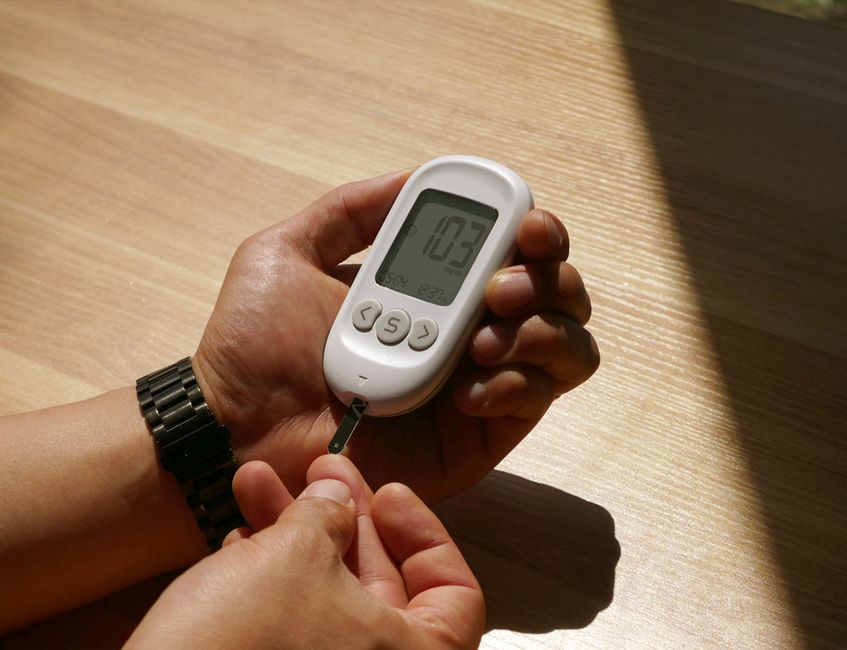
Under Part B, eligible beneficiaries may receive diabetes screenings, medical nutrition therapy, diabetes self-management training, and certain preventive services. Coverage for blood glucose testing supplies can include meters, test strips, and lancets when a clinician orders them and Medicare’s requirements are followed. Some people who use insulin may qualify for an insulin pump and related supplies under Part B, depending on medical criteria and the equipment involved.
Part D generally covers prescription diabetes medicines, including insulin, though each plan sets its own formulary and cost-sharing rules. Medicare Advantage plans must cover services included in Original Medicare, but they may use provider networks and different authorization procedures. Benefits and costs vary by plan, so coverage should be checked directly rather than assumed from the plan name.
Common Gaps and Restrictions
A service being related to diabetes does not automatically mean Medicare will pay for it. Coverage may depend on a documented diagnosis, a clinician’s order, medical necessity, and use of an approved supplier or pharmacy. If paperwork is incomplete or a supplier is outside the plan’s network, a claim may be denied or leave the patient responsible for more of the bill.
Not all glucose monitors and supplies are covered in the same way. Continuous glucose monitors may be covered for people who meet Medicare’s eligibility rules, but requirements can include insulin use, a qualifying history of problematic blood sugar, and regular follow-up with a clinician. Rules can change, and individual circumstances matter. Before choosing a device, confirm coverage with the plan and the supplier.
Other costs can also add up. Original Medicare generally has deductibles and coinsurance, and it does not include a yearly out-of-pocket limit for Part A and Part B services. Medigap policies may help with some Original Medicare cost-sharing, but they do not cover everything and generally do not pay for prescription drugs. Medicare Advantage plans have an annual limit on covered in-network Part A and Part B costs, but copayments, networks, and drug coverage differ.
Prescription Costs and Insulin
Prescription coverage is a frequent source of uncertainty. A Part D plan may cover a diabetes medicine but place it on a tier with a particular copayment or coinsurance. It may also require prior authorization, step therapy, or use of a preferred pharmacy. A drug’s coverage can change from year to year, so a medicine that was affordable in one plan year may cost more or require a different process in the next.
Medicare’s insulin cost protections can limit what beneficiaries pay for covered insulin products under Part D and for certain insulin used with a covered pump under Part B. The protections apply only to qualifying products and coverage circumstances. They do not necessarily apply to every diabetes medicine, device, or supply, and they do not remove all other costs associated with diabetes care.
People who use insulin should check whether their exact product and delivery method are covered. A change from a vial to a pen, or from injections to a pump, can affect which part of Medicare pays and what documentation is needed. A pharmacist, prescriber, or plan representative can help clarify the rules before a prescription is filled.
How to Review Coverage for 2026
During the annual Medicare Open Enrollment Period, from October 15 through December 7, beneficiaries can compare plans and make changes for coverage beginning January 1. Review the plan’s current Evidence of Coverage and formulary, not just its premium. Check each diabetes medicine by name and dosage, along with preferred pharmacies, deductible rules, and estimated yearly costs.
Also confirm coverage for testing supplies, continuous glucose monitors, pump equipment, specialist visits, and nutrition services. Ask whether a clinician or supplier must be in network, whether prior authorization is required, and what documentation should be submitted. Keep copies of prescriptions, orders, and coverage decisions, and make note of appeal deadlines if a claim is denied.
Finding Help and Avoiding Surprises
A State Health Insurance Assistance Program, known as SHIP, offers free, unbiased Medicare counseling in every state. Counselors can help compare plans and explain notices, but they cannot guarantee that a particular claim will be approved. Medicare.gov and the plan’s member services can provide current benefit details. For questions about medical necessity or a denied service, ask the treating clinician to explain the documentation and appeal options.
Coverage is only one part of diabetes care, but understanding it can make costs more predictable. Reviewing benefits before the plan year starts, confirming suppliers and prescriptions, and keeping records can help reduce avoidable billing problems. Because Medicare rules and plan benefits can change, verify details for 2026 with Medicare and the specific plan before making care or purchasing decisions.
Related articles

Fat Removal Treatment Options Explained
Compare surgical and nonsurgical fat removal options, including how they work, likely results, risks, recovery, and questions to ask a qualified clinician

Diabetes Device Trials: What You Need to Know
Learn how diabetes device trials work, who may qualify, what participation involves, and what to ask before deciding whether to take part

Best Skin-Tightening Creams: What Works and What to Expect
Learn which skin-tightening cream ingredients may improve firmness, how to choose a product, and what results to expect from topical treatments