Understanding Tummy Tuck Clinical Trials and Their Importance
By Editorial Team · July 21, 2026
Overview of Tummy Tuck Procedures
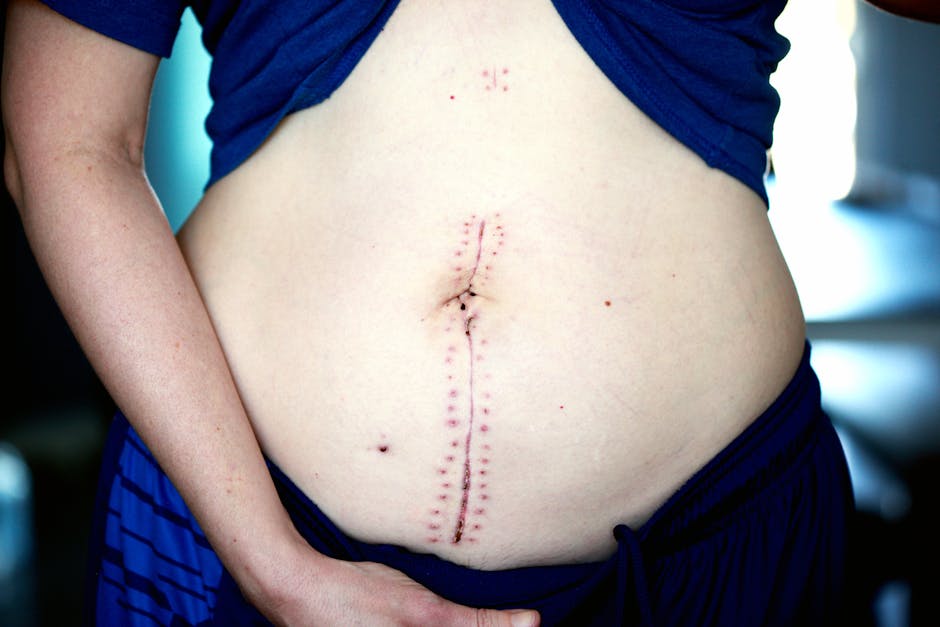
A tummy tuck, or abdominoplasty, is a surgical procedure aimed at removing excess skin and fat from the abdominal area while tightening the underlying muscles. This procedure is often sought after significant weight loss or after pregnancy when the skin may not regain its elasticity. While many patients pursue tummy tucks for cosmetic reasons, the surgery can also improve physical comfort and function.
The Role of Clinical Trials
Clinical trials are research studies conducted to determine the safety and efficacy of medical procedures and treatments. In the case of tummy tucks, clinical trials help gather data on various aspects of the surgery, including recovery times, complications, and long-term outcomes. By participating in these trials, patients can contribute to advancing medical knowledge and may receive access to cutting-edge techniques or technologies.
Types of Tummy Tuck Clinical Trials
Tummy tuck clinical trials can vary widely in their focus. Some trials may investigate new surgical techniques that promise quicker recovery or less scarring, while others may examine the effects of tummy tucks on psychological well-being or overall quality of life. Trials may also explore how the procedure interacts with other treatments, such as liposuction or body contouring. Understanding the specific aims of a trial can help potential participants make informed decisions about their involvement.
Benefits of Participating in Clinical Trials
Participating in a clinical trial can offer several benefits. For one, patients may receive advanced surgical techniques that are not yet widely available. Additionally, clinical trial participants often receive comprehensive medical evaluations and follow-up care, which can enhance their overall treatment experience. There may also be financial incentives, as some trials cover the costs of the procedure or provide compensation for participation. However, potential participants should also consider the risks and uncertainties associated with experimental treatments, as the outcomes may not be fully understood.
How to Find and Join a Clinical Trial
Individuals interested in tummy tuck clinical trials can begin by consulting with their healthcare providers, who can offer guidance on available studies. Resources such as ClinicalTrials.gov provide a database of ongoing clinical trials and can help individuals locate studies that match their criteria. Before joining a trial, it is essential to carefully review the eligibility requirements, understand the trial's purpose, and discuss any concerns with a medical professional. Patients should feel comfortable asking questions about the trial's design, potential risks, and the expected commitment involved.
Overall, tummy tuck clinical trials play a critical role in enhancing the understanding and effectiveness of this popular procedure. By participating, individuals not only gain potential access to innovative treatments but also contribute to the advancement of surgical practices that can benefit future patients.
Related articles

Dental Implants: Benefits, Costs, and Candidacy in Australia
Explore the benefits, costs, and candidacy for dental implants in Australia to help you make informed decisions about your dental health.

How To Apply For A Medicare Food Allowance In The US
Learn how to apply for a Medicare food allowance in the US, including eligibility requirements and application steps.

Understanding Medicare Programs for Seniors in the US
Explore the various Medicare programs available for seniors in the US, their benefits, and how to enroll.